Pebbledash & render removal
Plenty of good London brickwork was covered over with pebbledash or render decades ago. Taking it off carefully can bring a house back to how it was meant to look – but it has to be done properly.
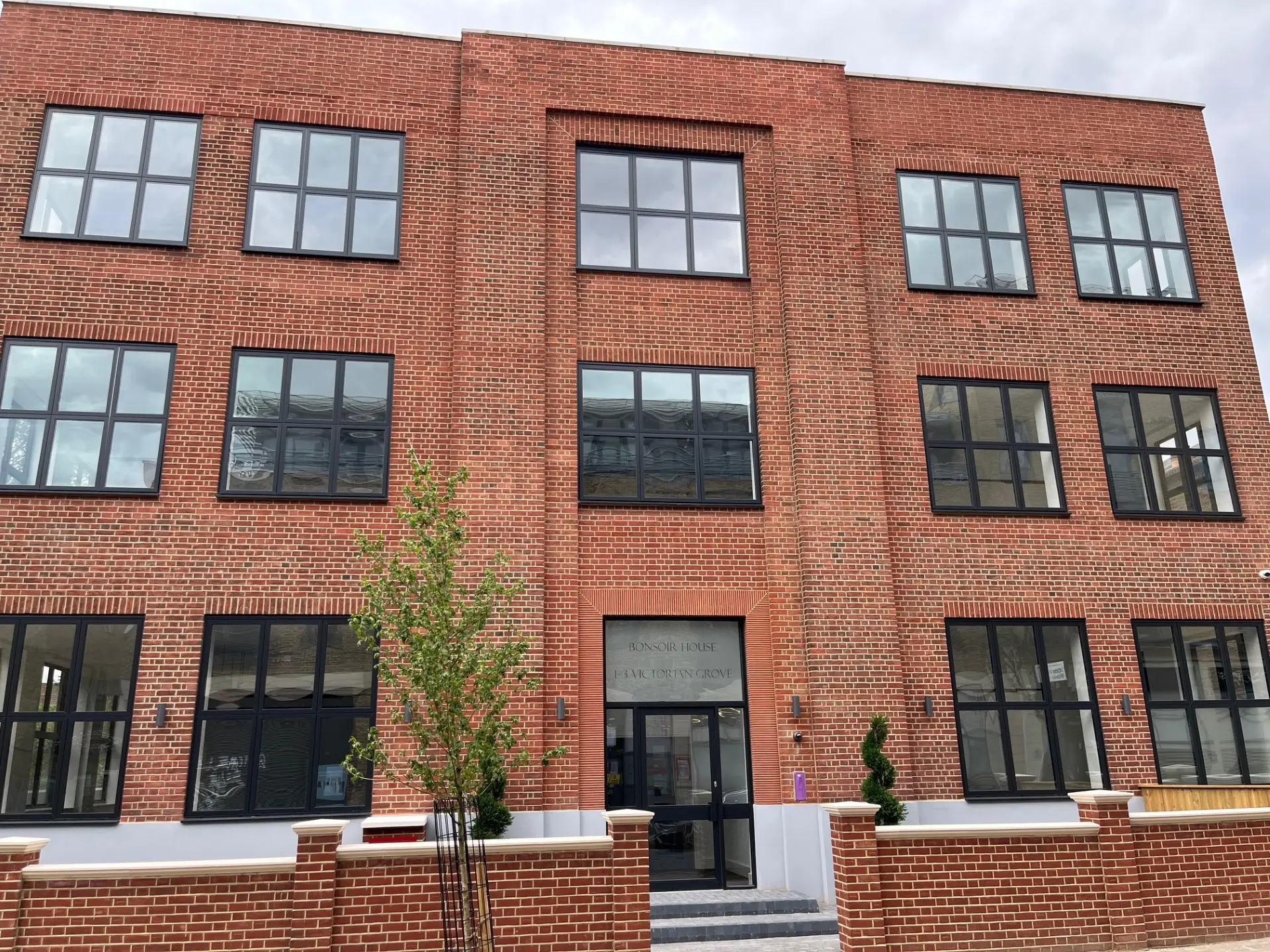
The first thing I want to know is why the pebbledash went on in the first place. Sometimes it was just fashion. Sometimes it was put on to hide damaged bricks, old repairs or damp. Before you commit, I’ll look at the wall and, where it makes sense, take off a small test area so we can both see what’s underneath.
Removal is done carefully to protect the brick face. Hard cement renders are often stuck firmly to the brick, and rough removal can strip the surface off with it. Once the coating is off, the brickwork usually needs some work: cement residue cleaned off, damaged bricks cut out and replaced, and the whole wall repointed.
That’s where removal ties into the rest of what I do. I can clean the brickwork, replace or tint mismatched bricks and finish with lime mortar repointing, so you end up with a finished elevation rather than a stripped wall. If your house is in a conservation area, it’s worth checking with the council before work starts.
- Wall assessed before you commit, with a test area where it helps
- Careful removal to protect the brick face
- Cement residue cleaned off
- Damaged bricks replaced or tinted to match
- Finished with lime mortar repointing
- Scaffolding arranged for you
“Chris is a craftsman and master pointer. He made a really beautiful job of repointing the whole side of our building. I can’t recommend him highly enough.”
— Gill Brown, Islington
Frequently asked questions
Ready to restore your property?
Free quote — no obligation. Get in touch today.